
Event Marketing Trends 2026: AI, Micro-Influencers, and the Rise of Body Ad Space
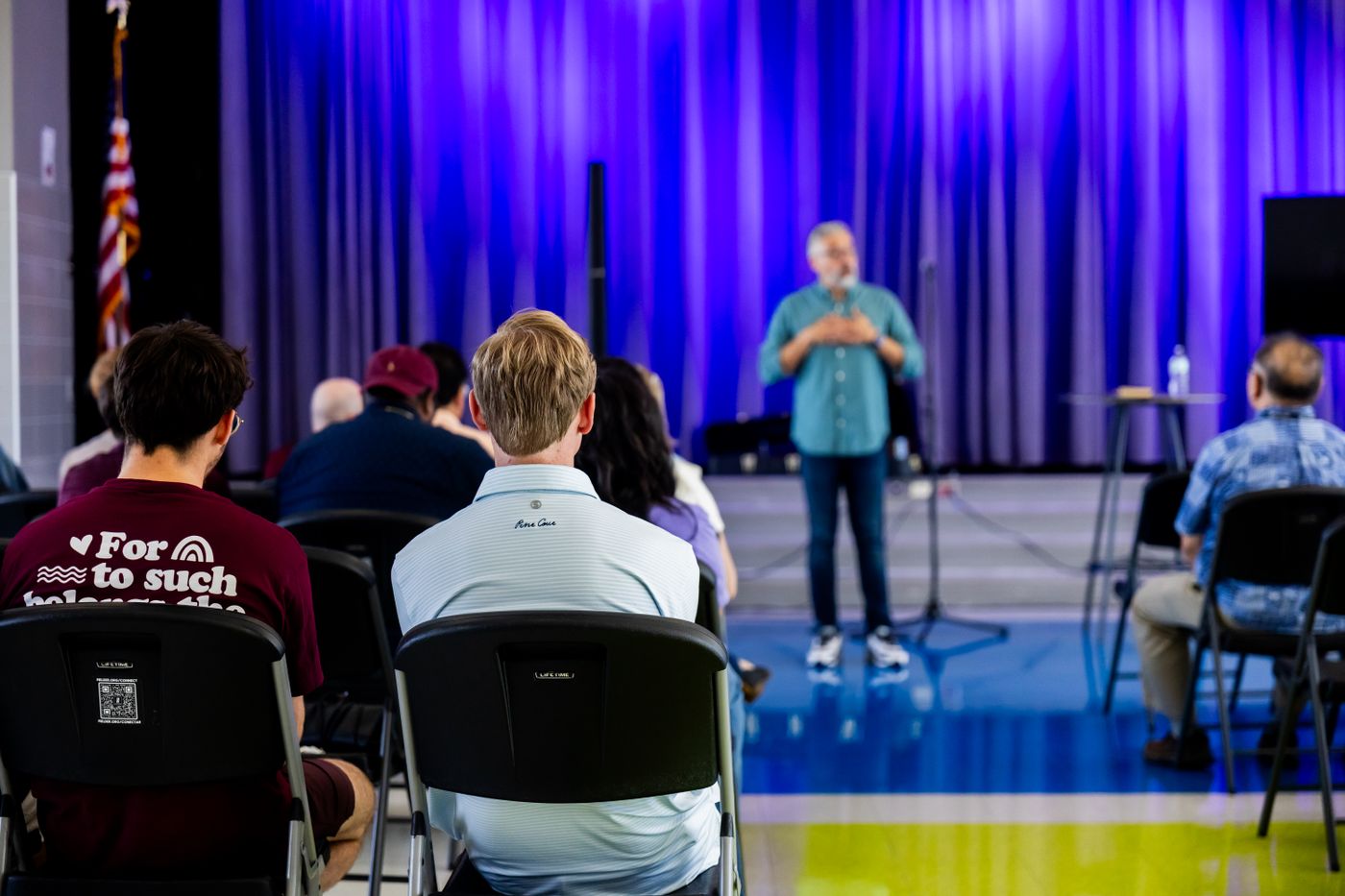
Event marketing trends in 2026 are pointing in a clear direction: smaller audiences, stronger personalization, practical AI, creator partnerships, and measurable brand activation. For small businesses, this shift creates a real opening. You do not need the biggest budget if you can make your brand visible in the right place, through the right people, at the right moment.
AI Is Becoming Operational
AI is moving from novelty to daily workflow. Event organizers are using AI for event promotion, attendee engagement, content planning, personalized follow-up, and campaign analysis. A small business can use the same idea on a practical scale: generate event descriptions, create social media variations, plan email reminders, identify local audience segments, and improve event pages for SEO.
The keyword is practical. AI should help a business move faster and communicate better. It should not make the event feel automated or generic. The strongest campaigns still sound human, local, and specific.
Micro-Influencers Are Becoming Local Brand Ambassadors
Micro-influencers and local creators are valuable because their audience already trusts them. They can promote a grand opening, pop-up event, concert night, conference booth, product demo, restaurant special, fitness challenge, or community fundraiser in a way that feels more natural than a standard ad.
For small business advertising, this matters. A local creator wearing a branded shirt, attending an event, posting short-form content, or talking to people on-site can create more trust than another banner ad. Event sponsorship and creator partnerships work best when expectations are clear: where the person will be, what they will wear, what content they will post, and how success will be measured.
Body Ad Space Is a New Channel for Event Promotion
Body ad space is one of the more interesting opportunities for local event marketing. Instead of only paying for digital impressions, a company can pay real people to represent the brand through clothing, temporary tattoos, creator content, or on-site promotion. This makes advertising visible at concerts, conferences, festivals, sports events, nightlife events, community gatherings, and high-traffic local spaces.
It also gives normal people a way to earn money by helping businesses get noticed. That is the larger opportunity: connecting small businesses that need affordable exposure with people who are willing to promote them in real life.
What Small Businesses Should Do Next
Start by choosing one event marketing goal. Then build a campaign around it. Use AI to organize the plan, write drafts, and improve SEO. Use micro-influencers or local promoters to make the campaign feel real. Use body ad space when the business needs visibility in public places or at live events. Use follow-up content to keep the momentum going after the event ends.
Important keywords to use naturally in event pages and blog posts include event marketing trends 2026, AI event planning, event promotion, attendee engagement, brand activation, experiential marketing, event sponsorship, local event marketing, micro-influencers, small business advertising, creator partnerships, and body ad space.
Bottom Line
The future of event marketing is not just bigger technology. It is better matching: the right business, the right audience, the right people representing the brand, and the right follow-up. AI can make that process smarter, but real-world trust is still what makes people remember a brand.
Quick answers
How can small businesses advertise at events?
Small businesses can advertise at events by working with attendees, brand ambassadors, local creators, vendors, and people offering event-based promotion.
What is a low-cost event advertising idea?
A low-cost event advertising idea is paying a real attendee to wear branded clothing, display a temporary tattoo ad, create event content, or promote a business at a specific event.