
AI Event Planning in 2026: How Small Businesses Can Turn Local Events Into Brand Awareness
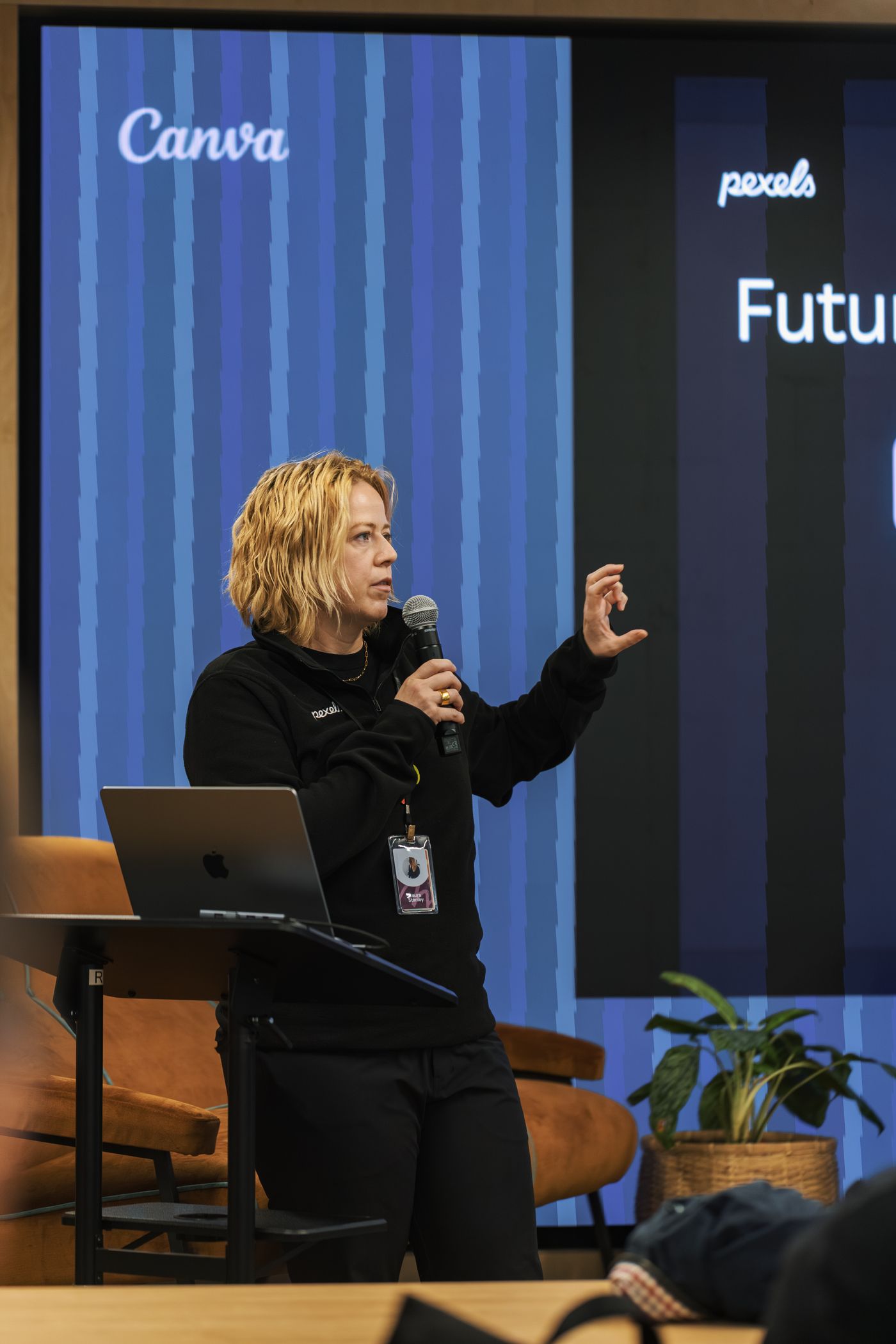
AI event planning is no longer only for large conferences with enterprise budgets. In 2026, small businesses can use practical AI tools to plan better local events, reach the right audience, and turn one good gathering into ongoing brand awareness.
Why AI Event Planning Matters for Small Businesses
The strongest event marketing trends for 2026 are moving toward personalization, attendee engagement, micro events, creator partnerships, and measurable brand activation. That is good news for local businesses. A restaurant, clothing brand, gym, salon, venue, or service company can run a smaller event and still compete for attention when the promotion feels personal and useful.
AI can help with the parts that usually slow small teams down: naming the event, building a promotion calendar, writing email reminders, segmenting guest lists, summarizing feedback, and matching offers to the people most likely to care. The win is not replacing the human side of events. The win is giving small teams more time to talk to people, build relationships, and create moments worth sharing.
Use AI to Build a Better Local Event Marketing Plan
Start with a clear event goal. Are you trying to generate foot traffic, introduce a new product, recruit local creators, sponsor an event, or build community around your business? Once the goal is clear, AI can help turn it into a practical event marketing plan with a timeline, promotional copy, social captions, email subject lines, and follow-up messages.
For local event promotion, focus on keywords and phrases real people search: event marketing, local events near me, brand activation, event sponsorship, small business advertising, experiential marketing, attendee engagement, event promotion, and AI event planning. These phrases should show up naturally in page titles, blog posts, event descriptions, image alt text, and social posts.
Personalization Is the Advantage
People ignore generic promotion. They respond when an event feels relevant to their interests, neighborhood, style, or goals. AI can help small businesses create different versions of the same invitation for different audiences: customers, creators, local professionals, students, families, nightlife audiences, or sports fans.
This is where EventReacher’s marketplace idea becomes powerful. A business can promote an event while also finding real people willing to represent the brand through clothing, creator content, on-site promotion, or temporary body ad space. That gives small businesses a more human alternative to expensive digital ads.
Make Attendee Engagement Easy to Measure
After the event, use AI to organize what happened. Summarize survey answers, identify common questions, sort photos by theme, draft thank-you emails, and turn event highlights into future blog posts. If the event included creators, brand ambassadors, or local promoters, track which content drove interest and which conversations turned into leads.
The best 2026 event marketing strategy is simple: create a real experience, capture useful content, follow up quickly, and keep improving. AI helps with the organization, but the trust still comes from real people showing up and representing the brand well.
Bottom Line
AI event planning gives small businesses the structure that big brands have had for years. Combined with local promoters, creator partnerships, event sponsorship, and body ad space, it can help a smaller company get noticed without wasting money on broad ads that never reach the right people.
Quick answers
How can small businesses advertise at events?
Small businesses can advertise at events by working with attendees, brand ambassadors, local creators, vendors, and people offering event-based promotion.
What is a low-cost event advertising idea?
A low-cost event advertising idea is paying a real attendee to wear branded clothing, display a temporary tattoo ad, create event content, or promote a business at a specific event.